Humanitarian travel is not a category with a clean definition. It sits between voluntourism, cultural tourism, and expedition travel — and most uses of the term are doing at least one of those things badly.
This is what MBC means when we use it, and what we think it actually requires.
What Humanitarian Travel Is Not
It is not a volunteer trip where you spend two weeks building something you have no expertise in and the community has to redo after you leave. That model has been thoroughly criticized for good reason.
It is not a zoo experience — arriving at a community, taking photos, and leaving with the sensation of having done something meaningful.
It is not development tourism where a foreign organization decides what a community needs and deploys visitors to deliver it.
And it is not charity tourism, where the traveler’s emotional satisfaction is the primary product and the community is incidental to it.
What It Is
Humanitarian travel, done honestly, means showing up where real needs exist — not manufactured ones — and contributing in a way that is actually useful. It means listening before acting. It means the community defines what useful looks like, not the visitor.
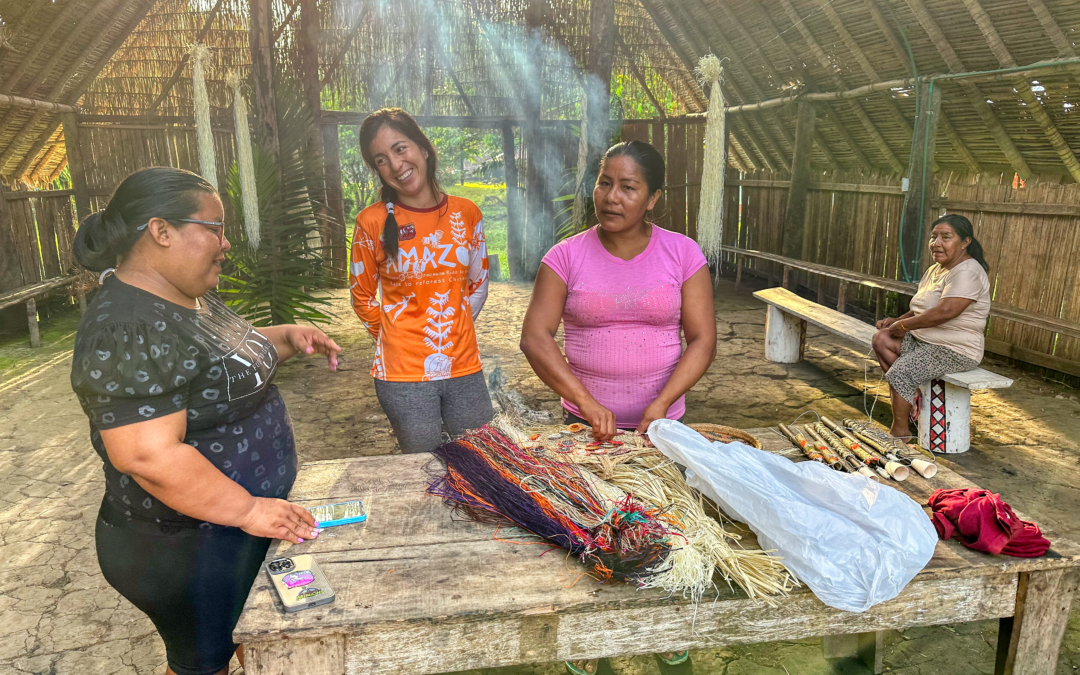
On the MBC Amazon Expedition, this takes a specific form. The expedition operates in the Colombian Amazon, where indigenous communities face concrete, documented challenges: access to clean water, infrastructure for education, equipment for basic healthcare, communication systems that work in the deep jungle.
These are not abstract needs. They are specific, practical, and ongoing.
What It Looks Like on an MBC Amazon Expedition
The mission is built into the itinerary, not attached to it as an optional add-on.
Before the expedition, we talk with community contacts about what is actually needed. That changes expedition to expedition. Sometimes it is water filtration equipment. Sometimes it is materials for a community building. Sometimes it is satellite communication gear. We don’t arrive with a pre-packaged project — we arrive with the capacity to help with whatever the need actually is at that moment.
During the expedition, riders participate in delivering that support. This is not a photo opportunity with a cheque. It involves logistics, relationship, and presence — river travel, community time, real conversation with the people who live there. The riding is part of this: you cannot reach these communities any other way.
The cost of the expedition covers the mission contribution. It is not a separate donation. It is how the trip is structured.
See the full Amazon Expedition details.
Who This Is For
Riders who want an expedition that has weight to it. Not everyone does, and that is fine. MBC runs trips across Colombia that are purely about the riding.
The Amazon Expedition is specifically for people who want the wilderness experience to mean something beyond the personal challenge. That usually means someone who has traveled a fair amount, has some life experience behind them, and is past the phase of travel-as-personal-brand.
Age is less relevant than orientation. We have had riders in their 30s and riders in their 60s on the same mission and the difference in mindset was negligible.
A Few Honest Cautions
The Amazon Expedition is physically and logistically demanding. The humanitarian component adds responsibility, not just significance. You are not there to feel good — you are there to be useful and present. If those are the same thing for you, this trip is probably right. If they feel different, think about that before booking.
We do not overstate the impact of any single expedition. Communities in the Colombian Amazon face systemic challenges that no cycling trip is going to solve. What we can do is show up consistently, contribute practically, and maintain the relationships that make future support possible. That is different from solving anything, and we are clear about the difference.
The Distinction That Matters
Most travel that gets called “humanitarian” is actually just tourism with a good story attached. The test is simple: who benefits, and how directly? If the answer is primarily the traveler — the story, the photos, the feeling — then the humanitarian framing is marketing.
If the answer is a community, with the traveler as the means rather than the point, then you are closer to the real thing.
The Amazon Expedition is built around that second model. Whether it meets your definition of humanitarian travel is a judgment call. We think the details speak for themselves.
See the Amazon Expedition
Book a Discovery Call